Invisible Worlds: Art, Microscopy, Pixelation and the Natural History Museum
–
Opening Times
Mon, 12th July – Sat, 24th July. 10am – 6pm. Gallery closed all day on Sunday, 18th July.
Artist Talk and Q&A: Thursday 15 July, 6pm - 8pm.
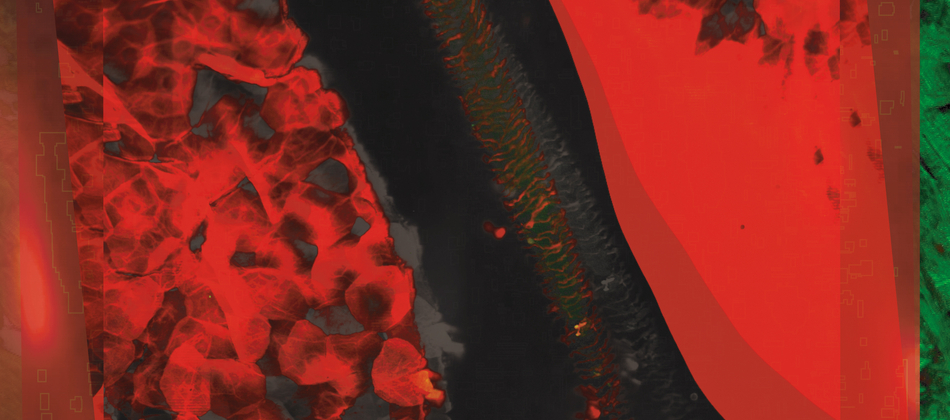
Interdisciplinary artist-researcher and Loughborough University lecturer Dr Joanne Berry-Frith presents a new exhibition exploring the extraordinary beauty and complexity of life at microscopic scales.
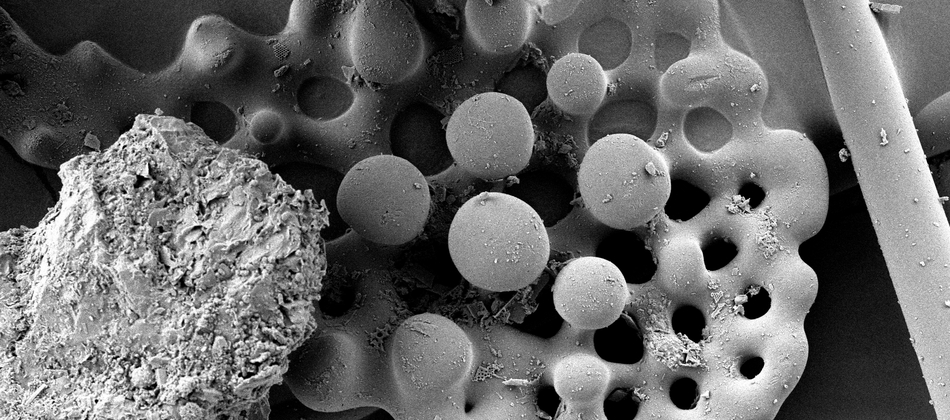
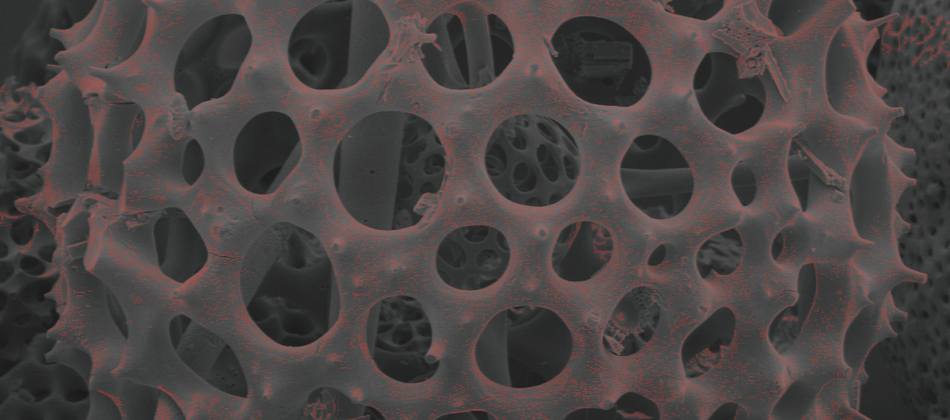
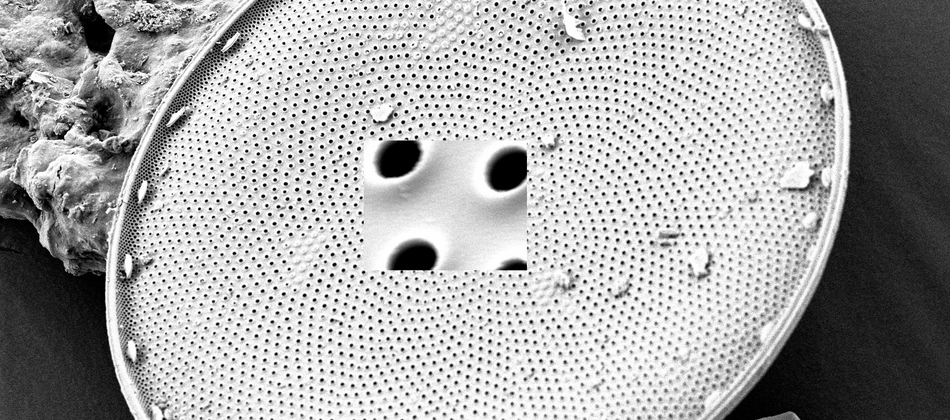
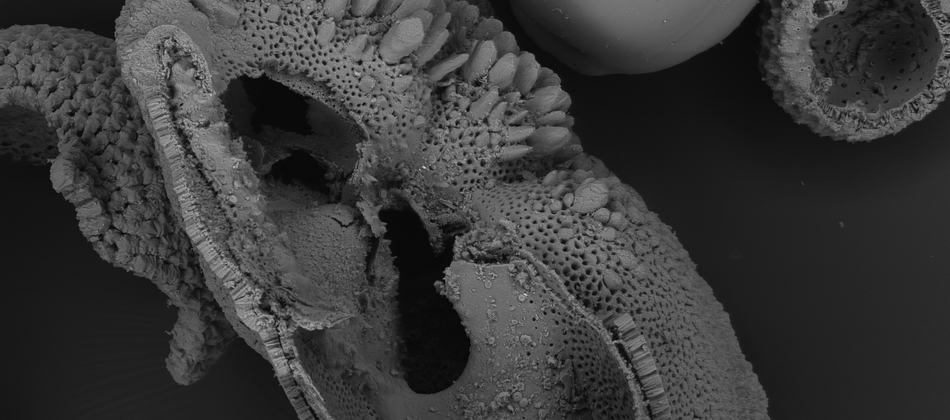
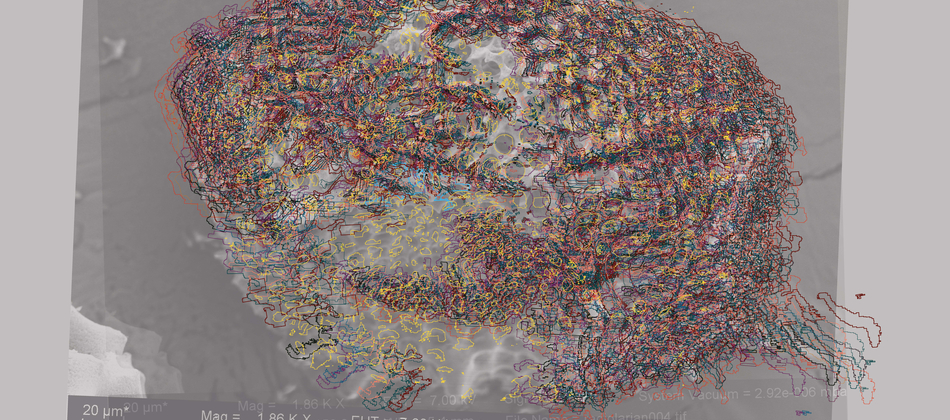
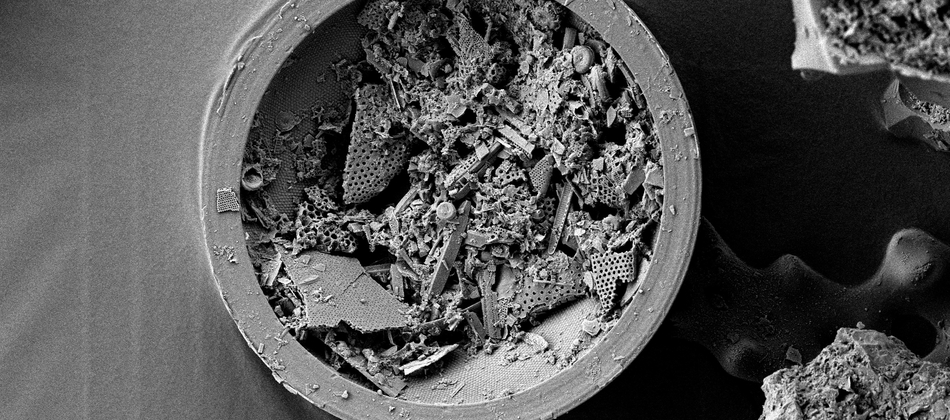
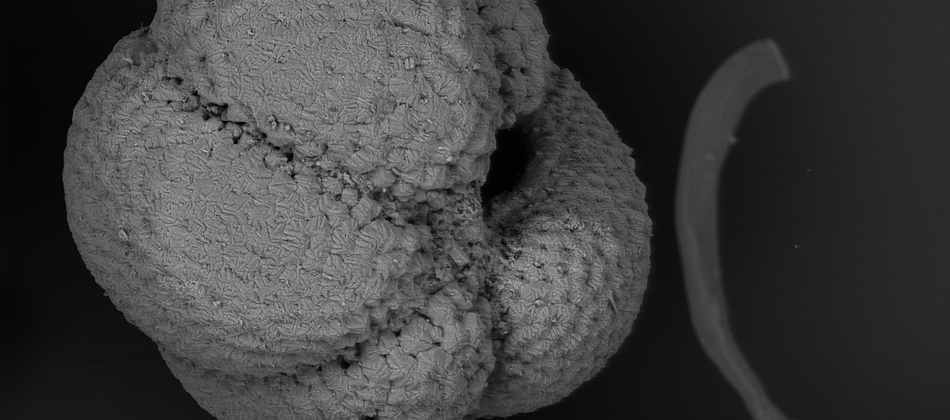
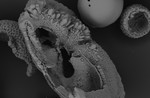
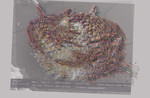
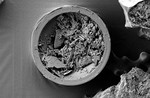
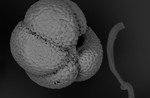
Developed through collaborations with Dr Alex Ball, former Head of Imaging and Analysis at the Natural History Museum; Innes Clatworthy, Electron Microscopist; and Dr Giles Miller, Principal Curator of Micropalaeontology, the exhibition brings together striking Scanning Electron Microscope (SEM) images, hand-drawn digital works, photography, film, and data-driven visualisations.
Drawing on specimens from the Natural History Museum’s collections, including historic material from the HMS Challenger archive, the exhibition reveals intricate biological structures normally hidden from human sight. Imaging of the Challenger specimens was supported by the UK Institute for Technical Skills & Strategy (UK ITSS) and Loughborough University.
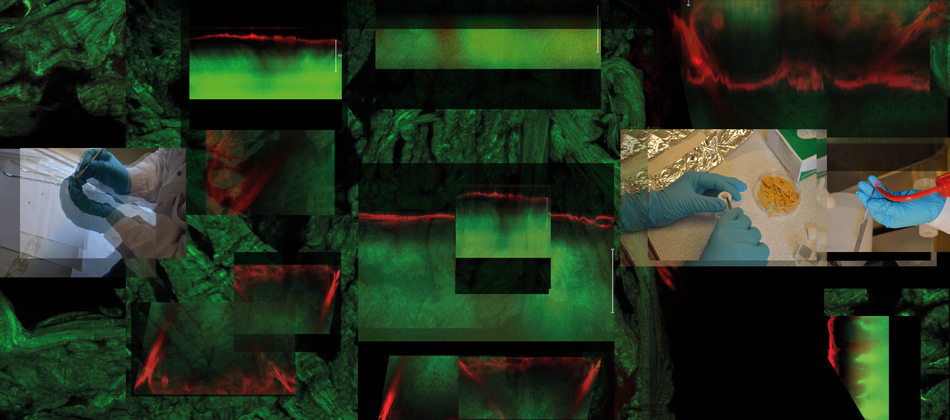
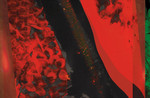
Alongside work developed with the Natural History Museum, the exhibition features digital drawings, films, and data montages created through collaborations with COMPARE, the Cell Signalling and Pharmacology Group at the University of Nottingham, the Centre for Cellular Imaging (CCI) at the Sahlgrenska Academy, University of Gothenburg, and the Biofilms Research Centre for Biointerfaces at Malmö University.
Working at the intersection of art, science, and technology, Berry-Frith uses drawing, digital montage, photography, and moving image as tools for inquiry, observation, and discovery. Through sustained looking and creative interpretation, scientific images are transformed into new visual encounters that invite audiences to engage with the natural world in unexpected ways and reflect on how knowledge is produced through both scientific and artistic practice.
By revealing worlds beyond the limits of ordinary human vision, Invisible Worlds offers a rare opportunity to experience the hidden architectures of life through contemporary art. Combining microscopy, pixelation, drawing, photography, film, and data visualisation, the exhibition encourages visitors to consider the relationships between observation, technology, imagination, and the many ways we come to understand nature.